MaroBrain
The MaroBrain body are closely connected. Regular physical activity supports cardiovascular fitness and contributes to overall health and well-being.
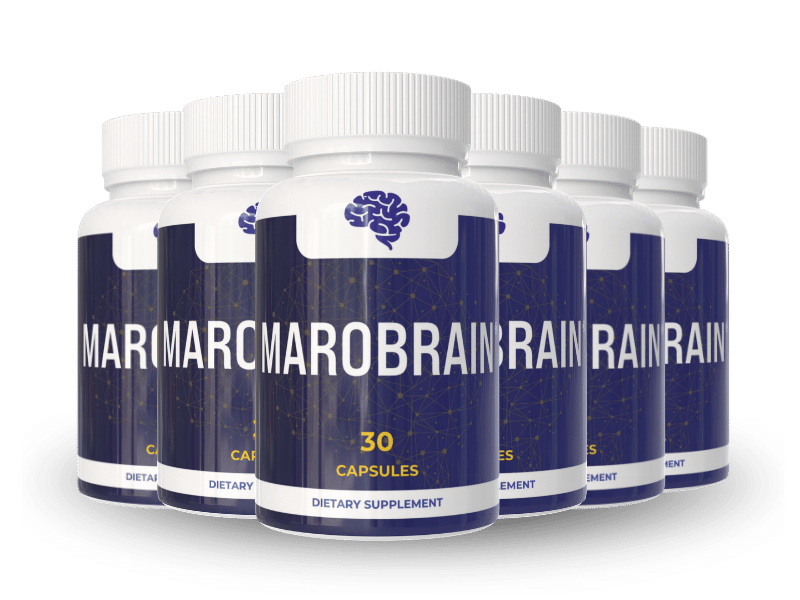
MaroBrain Supplement: (Rest - Recovery) Exploring Nutritional Support For Quality Sleep, Relaxation & Daily Performance!
🚀EXCLUSIVE SAVINGS AVAILABLE – CLICK HERE TO GET YOURS TODAY 🚀
The brain is responsible for many of the abilities that make everyday life possible. It allows us to remember names and experiences, concentrate on important tasks, learn new information, solve problems, communicate, make decisions, and manage emotions. Maintaining good brain health is therefore an important part of maintaining overall health and independence.
Interest in cognitive wellness has grown rapidly as people look for ways to support memory, focus, mental clarity, and healthy aging. This interest has also increased attention toward dietary supplements such as MaroBrain, which is marketed as a product for cognitive and brain wellness.
However, the idea of brain health is much larger than any single supplement. A healthy brain is supported by sleep, nutrition, physical activity, stress management, mental stimulation, social connection, and appropriate medical care.
⭐Where To Buy- Official Website
🎯OverView Performance:★★★☆☆ (3/5)
⭐Product –MaroBrain
🎯Best-Selling Deal is LIVE
🎇Availability — Available online
This article provides another detailed look at MaroBrain, cognitive wellness, and the everyday habits that can contribute to long-term brain health.
What Is MaroBrain?
MaroBrain is marketed as a dietary supplement intended to support cognitive wellness. Depending on the formulation, products in this category may contain vitamins, minerals, botanical extracts, and other nutritional ingredients associated with memory, focus, or general mental performance.
Consumers should always refer to the current product packaging and official product information for the most accurate ingredient list, serving size, directions, and warnings.
It is also important to distinguish a supplement from a medicine. A product marketed for cognitive support should not automatically be considered a treatment for neurological disorders or other medical conditions.
Why People Care About Brain Health
Brain health matters at every stage of life.
Students need concentration and memory to learn. Professionals need attention and decision-making skills to perform their jobs. Parents rely on organization and mental energy to manage daily responsibilities. Older adults often want to preserve independence and cognitive function as they age.
Cognitive wellness can support:
Learning
Memory
Concentration
Decision-making
Problem-solving
Communication
Emotional regulation
Independence
Productivity
Because these abilities influence everyday life, it is understandable that people are interested in ways to protect them.
The Difference Between Cognitive Wellness and Medical Treatment
One of the most important concepts when discussing brain supplements is the difference between supporting normal wellness and treating disease.
A person may experience occasional forgetfulness because they are tired or distracted. Another person may experience persistent memory problems because of an underlying medical condition.
A supplement may be marketed for general cognitive support, but persistent or serious symptoms should be evaluated by a qualified healthcare professional.
MaroBrain and Memory
Memory is not a single ability.
It includes several processes that allow us to take in information, store it, and retrieve it later.
🚀EXCLUSIVE SAVINGS AVAILABLE – CLICK HERE TO GET YOURS TODAY 🚀
Memory can be influenced by:
Sleep
Attention
Stress
Nutrition
Physical activity
Age
Medications
Alcohol use
Emotional health
This means that memory support should be approached from multiple directions.
Everyday Memory Strategies
Simple strategies can help people manage information more effectively.
These include:
Writing down important details
Using calendars
Setting reminders
Repeating information
Organizing frequently used objects
Limiting distractions
Maintaining consistent routines
These habits can be useful regardless of whether someone chooses to use a supplement.
MaroBrain and Focus
Concentration is essential for work, study, reading, driving, and many other activities.
Digital distractions can make sustained attention more difficult. Constantly switching between tasks may leave people feeling mentally exhausted.
One useful approach is to establish periods of focused work.
During a focus period, a person can:
Choose one priority.
Remove unnecessary distractions.
Silence nonessential notifications.
Work for a manageable period.
Take a short break.
Return to the task.
Good concentration is supported by both healthy habits and an environment that makes focus easier.
Nutrition for the Brain
The brain needs energy and nutrients throughout the day.
A healthy dietary pattern can include:
Colorful vegetables
Fruits
Whole grains
Legumes
Nuts
Seeds
Fish
Other protein sources
Healthy fats
Eating a broad variety of foods helps provide multiple nutrients rather than depending on one ingredient.
🚀EXCLUSIVE SAVINGS AVAILABLE – CLICK HERE TO GET YOURS TODAY 🚀
Supplements may be useful for specific nutritional needs, but they should not replace a balanced diet.
Hydration and Concentration
Hydration is another simple component of daily wellness.
Inadequate fluid intake can contribute to tiredness or headaches and may make concentration more difficult in some circumstances.
Fluid needs vary according to climate, activity, diet, and health status.
People with medical conditions affecting fluid balance should follow individualized professional advice.
Stress Management
Stress is unavoidable, but prolonged stress can affect cognitive and emotional well-being.
People may find it harder to concentrate or sleep when they are under constant pressure.
Healthy stress-management strategies include:
Regular exercise
Meditation
Breathing exercises
Time outdoors
Hobbies
Social interaction
Adequate breaks
Better organization of responsibilities
Managing stress can improve overall quality of life and may indirectly support cognitive performance.
Mental Stimulation and Lifelong Learning
The brain benefits from meaningful challenges.
Learning a new language, reading, playing music, writing, cooking, doing crafts, studying a new subject, or learning a professional skill can all provide mental stimulation.
The activity does not have to be difficult. Curiosity and continued learning are valuable throughout life.
Social Connection
Social interaction is another important component of well-being.
Relationships can provide emotional support, conversation, shared experiences, and mental stimulation.
People can maintain social connections through:
Family activities
Friendships
Community groups
Volunteering
Clubs
Group exercise
Shared hobbies
Healthy social engagement can be especially valuable during periods when people might otherwise become isolated.
Safety Considerations for MaroBrain
Consumers should remember that dietary supplements can have side effects and interactions.
🚀EXCLUSIVE SAVINGS AVAILABLE – CLICK HERE TO GET YOURS TODAY 🚀
Extra caution may be appropriate for people who:
Take prescription medications
Have chronic medical conditions
Are pregnant or breastfeeding
Have allergies
Take multiple supplements
Are considering high doses
A doctor or pharmacist can help determine whether a particular product is appropriate.
Why Quality Matters
Consumers should look for transparent product information.
A product label should ideally provide:
Complete ingredients
Amounts per serving
Directions
Warnings
Manufacturer details
Storage instructions
Relevant quality information
A long ingredient list does not necessarily mean that a supplement is better.
MaroBrain and Healthy Aging
Healthy aging is about more than avoiding disease.
It also means maintaining independence, staying physically active, remaining socially engaged, and continuing to participate in meaningful activities.
Brain health is connected to overall cardiovascular and metabolic health as well. Managing conditions such as high blood pressure, diabetes, and high cholesterol under appropriate medical guidance can be an important part of a long-term wellness strategy.
A Balanced Perspective
MaroBrain may appeal to people who want additional support for cognitive wellness.
However, consumers should avoid expecting a single product to transform memory, intelligence, or productivity.
The potential usefulness of any supplement depends on many factors, including:
Ingredients
Dosage
Product quality
Scientific evidence
Individual nutritional needs
Medication use
General health
Personal expectations
There is no universal supplement that works identically for everyone.
Frequently Asked Questions:
Is MaroBrain a replacement for medical treatment?
No. A dietary supplement should not replace prescribed treatment or professional medical evaluation.
Can MaroBrain guarantee improved memory?
No. Individual responses vary, and cognitive claims should be evaluated against credible evidence.
Is brain health only important for older adults?
No. Healthy cognitive habits are valuable throughout life.
Can sleep really affect memory?
Yes. Sleep is closely connected with learning, attention, and memory.
Are natural ingredients always safe?
No. Natural compounds can have side effects and may interact with medications.
What is the best way to support long-term brain health?
A combination of healthy sleep, physical activity, nutritious food, stress management, mental stimulation, social connection, and appropriate medical care provides a strong foundation.
🚀EXCLUSIVE SAVINGS AVAILABLE – CLICK HERE TO GET YOURS TODAY 🚀
Conclusion
MaroBrain is marketed as a cognitive-support supplement for people interested in memory, focus, mental clarity, and overall brain wellness. Its popularity reflects the increasing importance people place on maintaining cognitive performance and supporting healthy aging.
At the same time, brain health is too complex to depend on one product.
The strongest foundation comes from everyday habits: getting enough sleep, exercising regularly, eating a balanced diet, staying appropriately hydrated, managing stress, learning throughout life, maintaining meaningful relationships, and seeking medical care when needed.
Anyone considering MaroBrain should examine the current product label, understand its ingredients and dosages, consider the quality of available scientific evidence, and check for possible interactions with medications or health conditions.
A thoughtful approach is better than exaggerated expectations. A supplement may be one optional part of a wellness routine, but the long-term health of the brain depends on the complete picture.
By combining healthy habits with informed decisions about supplements, people can take a practical and sustainable approach to cognitive wellness, healthy aging, and overall quality of life.